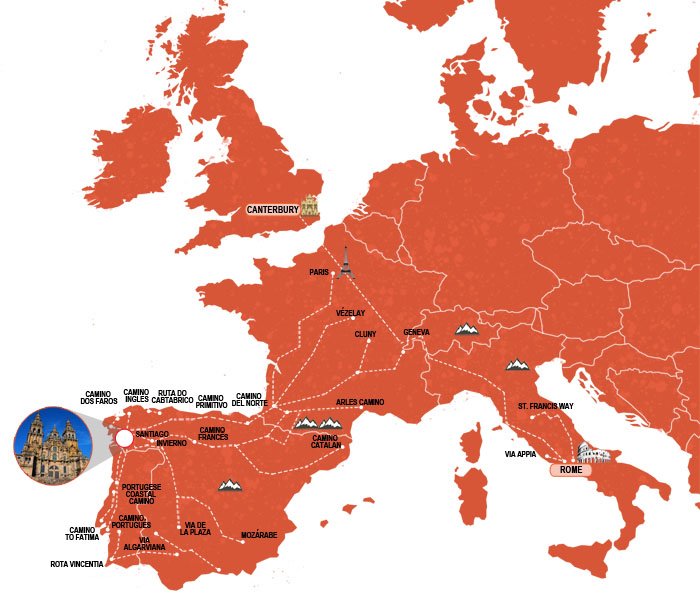
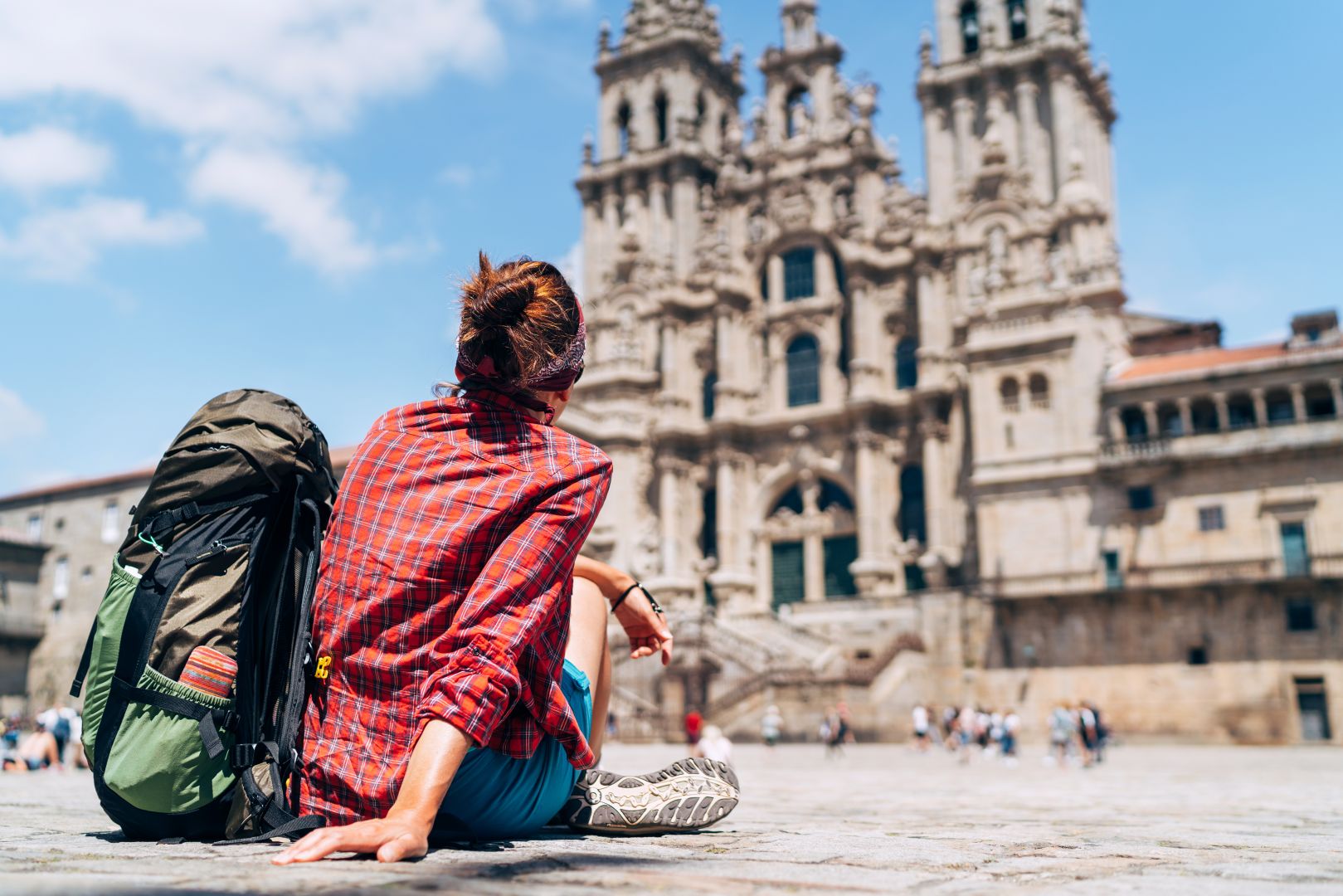
Embarking on the Camino de Santiago is a transformative journey that offers something for everyone, regardless of interests or walking experience. Whether you’re an avid hiker, a wine enthusiast, or seeking spiritual growth, the Camino provides diverse routes that cater to your preferences. Here are the best routes for various types of travellers.

For Avid Hikers (Stage 1)
If you’re an avid hiker looking for a challenging and rewarding experience, the first stage of the Camino Frances from St. Jean Pied de Port to Roncesvalles is perfect. This stage, often considered one of the more strenuous, takes you over the Pyrenees Mountains, offering breathtaking views and a grand sense of accomplishment. The ascent is steep, and the descent can be a little tough on the knees, but the stunning scenery and the camaraderie with fellow pilgrims make it worthwhile. This 25-kilometre stretch sets the tone for the adventure ahead, testing your endurance and providing a deep sense of fulfilment.
For Enrichment Explorers
Enrichment explorers can find what they’re looking for in every single stage along the Camino de Santiago, but for the sake of something a little different, we’ve chosen the peaceful Stage 4, which leads from Cazadilla along the Via Aquitania to Leon. This is one of the quietest routes, but it still packs a considerable amount in, including the beautiful medieval town of Sahagún, gorgeous Astorga, with its Episcopal Palace designed by modernist Antonio Gaudí, and of course, the gothic masterpiece that is Leon.
For Wine Aficionados (Rioja Region)
Wine aficionados will delight in Stage 2 of the Camino Frances that passes through the Rioja region. Starting in Logroño and continuing to Burgos, this part of the Camino is famous for its vineyards and wineries. Pilgrims can enjoy wine tastings and vineyard tours, sampling some of Spain’s best wines. The journey through Rioja is not just about wine; it also offers beautiful landscapes, charming villages, and rich history. The town of Santo Domingo de la Calzada, with its medieval architecture and legendary tales, is a highlight not to be missed.

For Leisurely Walkers
The final stage of the Camino Frances is ideal for those who prefer a more relaxed pace. Uwalk’s Easy Camino Frances section focuses on this segment, starting from Sarria and ending in Santiago de Compostela, with an optional 3 or 4 trip out to the ocean at Finisterre.
The final stage of the Camino clocks in at just over 100 kilometres – the minimum distance required to earn the Compostela certificate. The terrain is relatively gentle, with well-marked paths and numerous amenities along the way. Leisurely walkers can take their time, enjoying the verdant Galician countryside, quaint villages, and the camaraderie of fellow pilgrims. This stage is perfect for those who want to savour the journey without strenuous exertion.
For Over 60’s – Portuguese or French Way Final Stage
The Camino offers excellent options for travellers over 60, with the Portuguese Way Final Stage and the French Way Final Stage, particularly suitable. Starting from Tui, the Portuguese Way covers 115 kilometres to Santiago de Compostela. The terrain is manageable, with scenic river crossings and historical sites. Alternatively, the final stage of the French Way from Sarria offers a similar experience, with shorter daily distances and plenty of support services, ensuring a comfortable and enjoyable pilgrimage.
For Nature Lovers (Celtic Camino)
Nature lovers will find the Celtic Camino, or Camino Inglés, a perfect choice. Starting in the port city of Ferrol, this route covers approximately 119 kilometres to Santiago de Compostela. The Celtic Camino takes you through the lush Galician countryside, with its rolling hills, forests, and serene landscapes. This route is steeped in history, following the path taken by medieval pilgrims from the British Isles and Ireland. Highlights include the beautiful coastal views, the peaceful River Eume, and the historic town of Pontedeume. The Celtic Camino offers a tranquil and scenic pilgrimage, ideal for those who appreciate nature’s beauty.
For Foodies (Portuguese Way Stage 1)
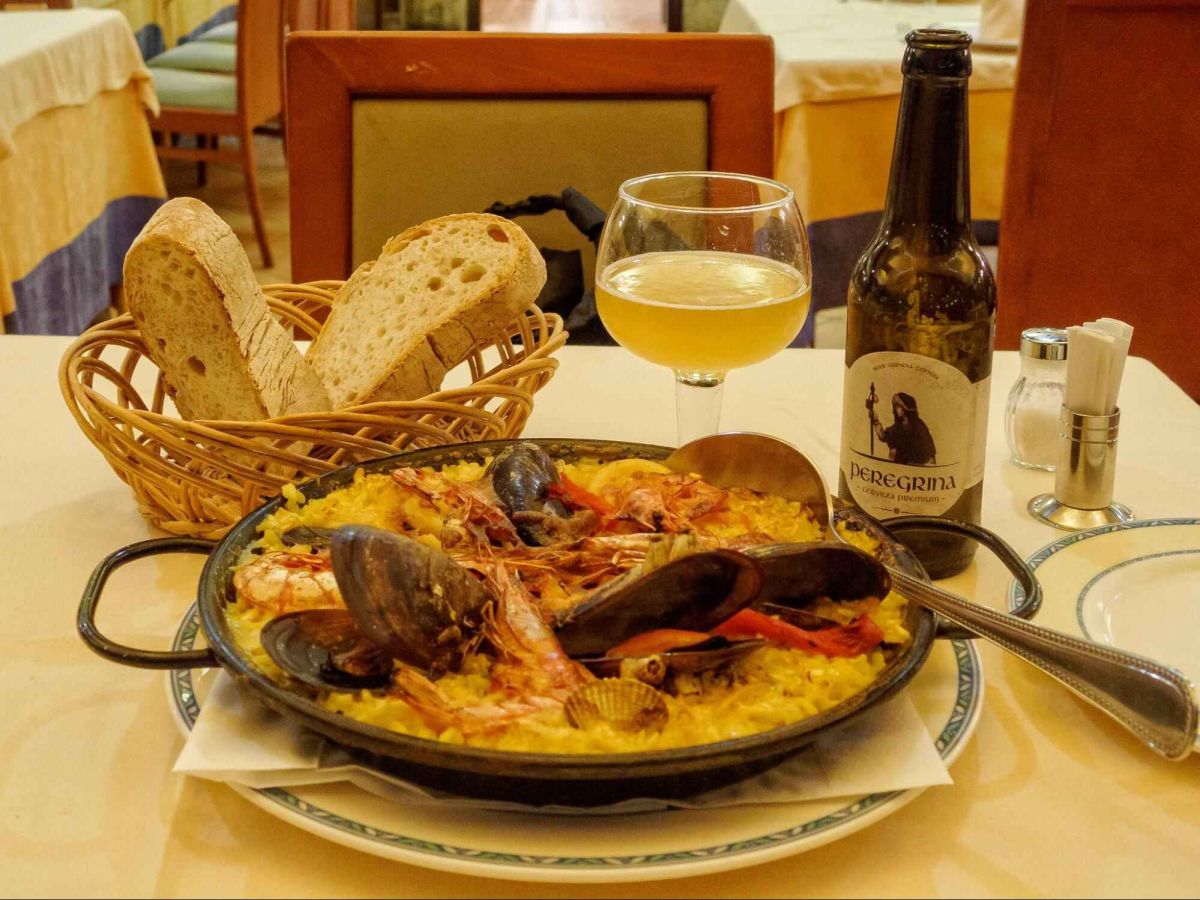
Foodies will revel in the First Stage of the Portuguese Way, starting from Porto. This section of the Camino is a culinary delight, with opportunities to savour Portugal’s rich and diverse cuisine. From fresh seafood to delectable pastries, the Portuguese Way offers a feast for the senses.
Porto, known for its port wine, is a vibrant city with excellent dining options. As you make your way north, you’ll pass through charming towns like Vila do Conde and Barcelos, each offering unique culinary experiences. The Portuguese Way combines cultural exploration with gastronomic indulgence, making it a must for food lovers.
For Solo Travellers
Those travelling on their own needn’t walk the Camino alone. Solo travellers seeking companionship and support will love the Travel Solo Not Alone options, which are designed to connect pilgrims walking the Camino with group departures aimed specifically at solo travellers. We have plenty of choices here, including the Celtic Camino and the Final Stages of both the Camino Frances and Portuguese Way.
For the Spiritual
Stage 5 of the Camino Frances is a profound choice for those seeking a deeply spiritual journey. This route is known for its relatively remote terrain and offers a contemplative and reflective pilgrimage.
The highlight of this stage, and arguably the entire route, is the path’s arrival at the Cruz de Ferro, or Iron Cross, which is one of the most iconic and spiritually significant landmarks on the Camino de Santiago. Located at the highest point of the Camino, on the mountain pass of Monte Irago in the province of León, this simple iron cross stands atop a tall wooden pole surrounded by a mound of stones.
The tradition associated with the Cruz de Ferro is deeply symbolic. Pilgrims carry a stone from their home country or a meaningful place to leave at the foot of the cross. This act represents the laying down of burdens, seeking forgiveness, and the desire to start anew. The pile of stones at the base of the cross, left by countless pilgrims over centuries, is a powerful testament to the shared human experience of seeking redemption and transformation. If it’s spiritual you’re looking for, this is where you’ll find it.
Over to You
Whether you’re an avid hiker, a culture enthusiast, a wine lover, or seeking a spiritual journey, there’s a perfect Camino route for you. Each path provides a unique and enriching experience, allowing pilgrims to discover the beauty of the journey and the joy of reaching Santiago de Compostela. Decide what interests you and what kind of traveller you are, then set out for an adventure of a lifetime.